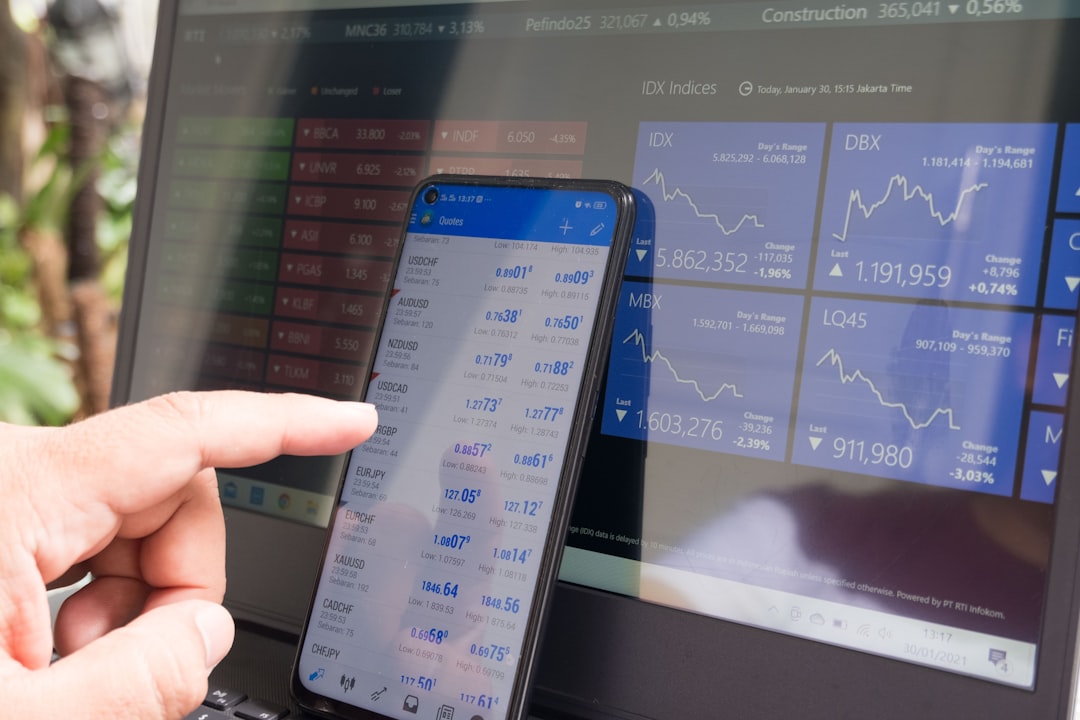

For traders in forex, CFDs, and other financial markets, selecting the right trading platform is crucial. Two of the most widely used tools are mt4 vs tradingview. While both provide valuable features, they serve different purposes and cater to different trading styles. Understanding their strengths from a professional and statistics-driven perspective can help traders choose the platform that aligns with their goals.
What Is MT4 Best Known For?
MetaTrader 4 (MT4) is primarily a trading execution platform. It allows traders to place market, pending, and stop orders, manage positions, and monitor real-time price movements. One of its key features is support for automated trading through expert advisors (EAs), which execute strategies based on predefined rules and historical data.
From a statistics-based perspective, MT4 emphasizes measurable performance. Traders can backtest strategies, analyze win-loss ratios, drawdowns, and trade duration, and adjust their approaches based on quantitative results. This structured environment is ideal for systematic and disciplined trading.
What Are TradingView’s Core Strengths?
TradingView is primarily an analysis and charting platform. It provides advanced charting tools, customizable indicators, and drawing options that allow traders to study market trends in detail. While it supports trade execution through broker integration, its main focus is visualization and statistical analysis rather than order management.
Professionally, TradingView is valuable for identifying trends, correlations, and volatility patterns. It allows multi-timeframe and multi-instrument analysis, giving traders a comprehensive view of market behavior. For discretionary traders who rely on visual insights and statistical observation, TradingView offers unparalleled flexibility.
How Do Charting and Indicators Differ Between the Platforms?
MT4 comes with a robust set of built-in indicators and supports custom scripts. Charts are functional and designed for precision in active trading. However, customization and visual depth are somewhat limited compared to TradingView.
TradingView excels in visualization and flexibility. Traders can overlay multiple indicators, create custom scripts, draw trendlines, Fibonacci retracements, and pivot points, and view several instruments simultaneously. From a statistics-focused approach, this enhances pattern recognition and data-driven decision-making.
Which Platform Is Better for Automated Trading?
MT4 has a clear advantage in automation. Expert advisors and custom scripts can execute trades automatically, removing emotional bias and ensuring consistent application of trading strategies. This is particularly valuable for traders who follow quantitative models or high-frequency approaches.
TradingView supports alerts and custom scripting through Pine Script, but full automation and execution control are limited. Traders seeking systematic, rules-based trading typically prefer MT4.
How Do Accessibility and User Experience Compare?
MT4 provides a structured desktop interface that prioritizes execution and account management. While it may feel complex for beginners, professional traders appreciate its stability and precision.
TradingView offers a modern, cloud-based interface accessible via web browsers, desktops, and mobile devices. This flexibility supports multi-device analysis, chart sharing, and collaborative research. For data-focused traders, TradingView’s accessibility enables continuous observation of trends without being tied to a single machine.
Which Platform Suits Different Trading Styles?
MT4 is best suited for traders who prioritize execution, automation, and systematic strategies. It is ideal for those who rely on measurable metrics and backtesting to guide decisions.
TradingView is more suitable for traders focused on trend analysis, pattern recognition, and statistical observation. Its tools support discretionary decision-making and scenario testing across multiple instruments.
Final Thoughts on Choosing Between MT4 and TradingView?
Both MT4 and TradingView are valuable tools, but they serve complementary purposes. MT4 provides execution-focused functionality and automation capabilities, supporting structured and disciplined trading. TradingView excels in visualization, analysis, and statistical insight, making it ideal for trend observation and research-driven strategies.
A professional, statistics-informed approach suggests evaluating your trading style and objectives before choosing. Combining the analytical power of TradingView with the execution efficiency of MT4 can provide a comprehensive trading setup for both data-driven and discretionary traders.